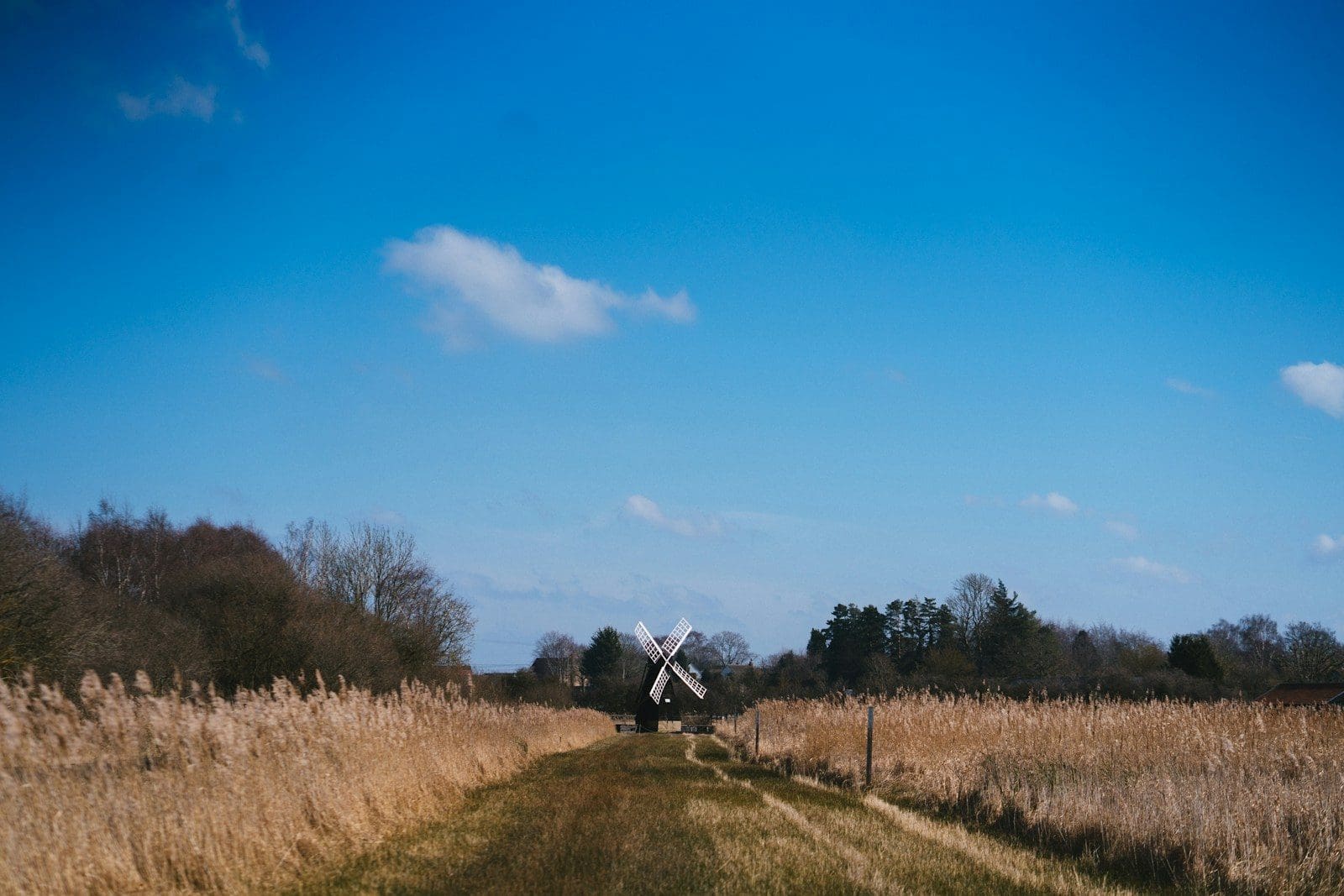
Running in strong wind can help you train well without fighting every gust, whether you are new to running or already have a drawer full of event T-shirts. This guide takes a practical UK approach, with advice that fits Sleaford and the surrounding Lincolnshire countryside.
Running in strong wind sounds simple until real life joins the run. Work runs late. The weather changes its mind. A quiet lane becomes rather less quiet. The good news is that a sensible plan makes the whole thing easier.
Around Sleaford and across flatter Lincolnshire ground, there may be little to interrupt the wind before it reaches you. The watch will notice. Your hairstyle may notice first.
In other words, the best plan is the one you can follow on a wet Tuesday as well as on a bright Sunday.
Why wind changes the session
First, a headwind increases effort at the same pace, so fixed split targets can turn an easy run into a hard one.
There is also a quieter benefit. crosswinds affect balance, especially near gateways, gaps in hedges and passing large vehicles.
Just as important, tailwinds can hide how hard you are working and make the return journey rather less generous.
For local runners, wind chill can cool sweat quickly, making clothing choices important even on a mild thermometer reading.
How to run well in windy weather
Use effort as the main guide
Heart rate, breathing and perceived effort are more useful than pace when wind changes by direction.
Try this: Let pace slow into the wind and avoid trying to win an argument with moving air. Adjust for weather, daylight and the surface underfoot. The plan serves you; you do not serve the plan.
Start into the wind when practical
Facing the harder direction early can leave a tailwind for the return, when you are more tired and damp.
Try this: Check the route and forecast direction before leaving. Keep the effort controlled. You should finish feeling that another few minutes would have been possible.
Shorten the stride
A slightly quicker, shorter step can improve control in gusts and reduce overstriding.
Try this: Keep shoulders loose and lean from the ankles only a little. Give the change time to work. Fitness improves through repetition, not through one unusually brave afternoon.
Choose sheltered routes
Buildings, hedges and wooded sections can break the wind, though gusts may be sudden at openings.
Try this: Use town loops or protected paths when exposed lanes feel unsafe. Make the action easy to repeat. A modest habit done each week is more useful than a perfect habit done once.
Wear a breathable wind layer
A light shell can reduce chilling without trapping as much heat as a heavy waterproof.
Try this: Zip or vent the layer as effort changes. Notice how your body responds the next morning. That often tells us more than the watch did during the run.
Fenland wind and local route choice
Long open straights can produce a steady headwind that makes the outward and return pace look like two different runners Mud, frost and standing water are not moral tests. Change the route when the surface makes the session needlessly risky.
Crosswinds beside fields may push you towards the traffic edge, so narrow lanes deserve extra caution A loop close to home also makes it easier to stop or shorten the session without turning it into an expedition.
Hedges offer shelter but can create sharp gusts at gaps, junctions and field entrances On open ground, the wind can change the effort more than the map suggests. Pace should move; effort can stay steady.
Storm-damaged branches, airborne debris and poor control are clear reasons to move the session indoors Shared paths need a little courtesy. Ease past walkers, give dogs room and use a clear greeting before overtaking.
A wind-adjusted session
- Before leaving: Check wind speed, gusts and direction rather than the temperature alone.
- Warm-up: Walk and jog for ten minutes in a sheltered area.
- Main run: Hold easy breathing and ignore kilometre pace into the wind.
- Technique: Use short steps and relaxed arms through gusty sections.
- Return: Do not sprint simply because the tailwind feels generous.
- Afterwards: Change out of damp layers before cooling.
Errors that make windy runs harder
Forcing target pace
One common error is treating every slow split as a personal insult. A better choice: Hold the planned effort and compare the whole session, not one direction.
Wearing a heavy coat
Another trap is blocking wind but trapping enough heat to create a private greenhouse. A better choice: Use a light breathable shell over suitable layers.
Running under damaged trees
It is also easy to fall into choosing shelter without checking branch risk during high winds. A better choice: Use built-up routes or indoor training when gusts are severe.
Turning with no energy left
A less obvious problem is enjoying a tailwind start and meeting the headwind only after halfway. A better choice: Plan the direction so the harder section comes earlier.
Leaning from the waist
Finally, avoid bending forward and tightening the back in an attempt to become aerodynamic. A better choice: Stay tall and use a small whole-body lean from the ankles.
Windy-run checklist
- Wind and gust forecast
- Direction of the wind
- Sheltered route option
- Light wind-resistant layer
- Secure hat and loose items
- No risky tree-lined section
- Effort-based goal
- A safe decision to shorten or cancel
You do not need every item for every run. The list is a prompt, not a packing exercise for the North Pole. Pick what matches the distance, route and conditions.
Questions about running in wind
Wind changes pace more than it changes fitness. Our guide to Fenland 5K and 10K routes shows why exposed ground matters, while hill training in flat Lincolnshire and marathon training from Sleaford both explain how to train by effort rather than forcing a number. Before heading out in severe conditions, check the official Met Office weather warnings.
How much should pace slow in a headwind?
There is no fixed amount because wind speed, direction, body size and route exposure vary. Keep the intended effort and accept the slower pace.
Is running in wind good training?
Moderate wind can add useful resistance and teach effort control. Severe gusts create a safety issue rather than a superior workout.
Should I draft behind another runner?
In a group, taking turns at the front can reduce effort. Keep enough space to see the ground and communicate changes.
When should I stay indoors?
Choose indoor training when gusts affect balance, debris is moving, trees are unsafe or road positioning becomes unreliable.
Let the Wind Settle the Pace
Wind is part of Lincolnshire running. We do not need to defeat it. We only need to plan around it with more sense than ceremony. The aim is not to win every training day. It is to keep enough good days together that running becomes easier, safer and more enjoyable.
Start with the next sensible step. Let the weeks do their work. Before long, local runners can look back and see that ordinary runs have built something rather useful.