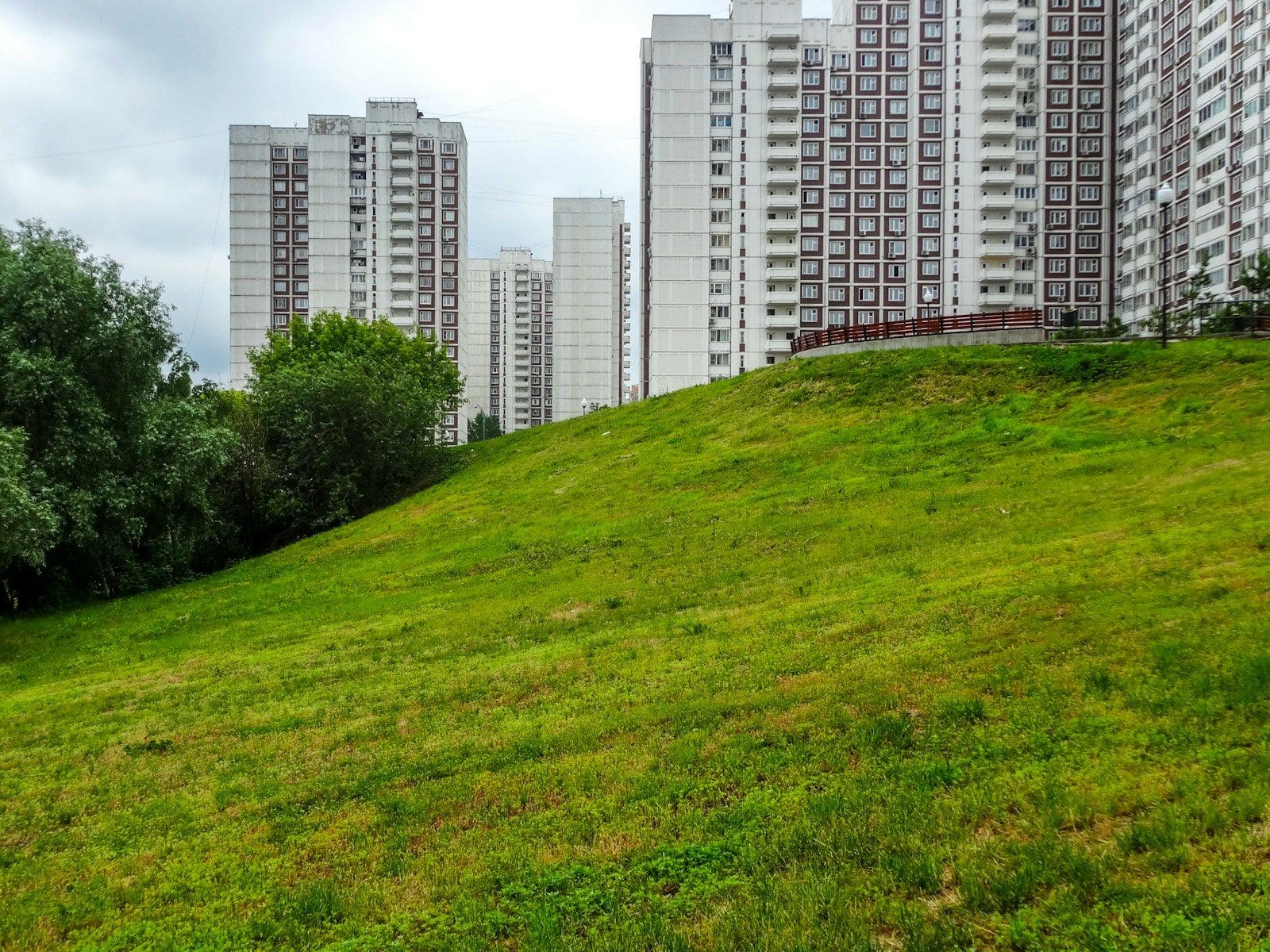
Hill training in flat lincolnshire can help you build power and prepare for rolling races, whether you are new to running or already have a drawer full of event T-shirts. This guide takes a practical UK approach, with advice that fits Sleaford and the surrounding Lincolnshire countryside.
Hill training in flat lincolnshire sounds simple until real life joins the run. Work runs late. The weather changes its mind. A quiet lane becomes rather less quiet. The good news is that a sensible plan makes the whole thing easier.
Sleaford is not surrounded by Alpine passes. This is inconvenient only if we assume hill training requires a mountain, a cowbell and a support vehicle.
In other words, the best plan is the one you can follow on a wet Tuesday as well as on a bright Sunday.
Why hill strength still matters
First, climbing strength improves force production and can support efficient running on flat ground.
There is also a quieter benefit. short uphill efforts encourage a powerful stride without requiring all-out track speed.
Just as important, races outside the immediate area may include slopes that expose a training gap.
For local runners, incline work can add variety when repeated flat routes begin to feel rather administrative.
Ways to create hill stimulus
Use a short local slope
A bridge approach, embankment or modest rise can work when repeated with control.
Try this: Run uphill for twenty to forty-five seconds and recover fully on the return. Notice how your body responds the next morning. That often tells us more than the watch did during the run.
Try treadmill incline
A treadmill gives precise gradient and removes the search for geography.
Try this: Start with a moderate incline and keep posture tall rather than holding the rails. Adjust for weather, daylight and the surface underfoot. The plan serves you; you do not serve the plan.
Run into resistance
A steady headwind adds load, though it does not copy the exact mechanics of climbing.
Try this: Use effort, keep the stride short and avoid severe gusts. Keep the effort controlled. You should finish feeling that another few minutes would have been possible.
Add strength training
Step-ups, split squats, calf raises and hip work develop muscles used on climbs.
Try this: Complete two short strength sessions each week with good technique. Give the change time to work. Fitness improves through repetition, not through one unusually brave afternoon.
Travel occasionally
The Lincolnshire Wolds and other rolling areas can provide longer climbs when a specific race requires them.
Try this: Use occasional route-specific days rather than making every week a transport project. Make the action easy to repeat. A modest habit done each week is more useful than a perfect habit done once.
Finding useful incline near Sleaford
Bridge ramps and raised crossings can offer short repeatable climbs when pedestrian access is safe Country lanes can be peaceful, but they are still roads. Visibility and awareness matter more than shaving a few seconds from a split.
Small road rises may be enough for technique work even when they do not deserve a contour line Mud, frost and standing water are not moral tests. Change the route when the surface makes the session needlessly risky.
Treadmills at local gyms provide reliable incline during darkness, ice or severe wind A loop close to home also makes it easier to stop or shorten the session without turning it into an expedition.
A planned trip to rolling terrain can be placed every few weeks for runners preparing for a hilly event On open ground, the wind can change the effort more than the map suggests. Pace should move; effort can stay steady.
A beginner hill-strength session
- Warm-up: Jog easily for fifteen minutes and add a few relaxed strides.
- First set: Run four controlled thirty-second uphill efforts.
- Recovery: Walk or jog back until breathing settles.
- Second set: Complete two to four more efforts only if form remains good.
- Cool-down: Jog easily for ten minutes.
- Next day: Use rest or a very easy run.
Hill-training mistakes
Sprinting every repeat
One common error is turning strength work into uncontrolled racing. A better choice: Use a strong but smooth effort and finish with form intact.
Bending at the waist
Another trap is folding forward and restricting breathing. A better choice: Lean slightly from the ankles and keep the chest open.
Taking huge steps
It is also easy to fall into overstriding uphill and wasting energy. A better choice: Use shorter steps and active arm drive.
Adding too much too soon
A less obvious problem is introducing many repeats on top of normal hard training. A better choice: Begin with four to six short efforts once a week.
Ignoring the descent
Finally, avoid running downhill fast when tired and loading the legs heavily. A better choice: Recover slowly and stay in control.
Hill-session checklist
- Safe incline or treadmill
- Fifteen-minute warm-up
- Controlled effort target
- Full recovery route
- Good traction
- No hard session the next day
- Strength work elsewhere in the week
- A plan to stop when form fades
You do not need every item for every run. The list is a prompt, not a packing exercise for the North Pole. Pick what matches the distance, route and conditions.
Hill training questions
Flat-country runners can build the same qualities in several ways. Our strength training for runners at home guide covers resistance work, while the Steep Hill and Lincoln Cathedral route and our Lincolnshire Wolds trail loops offer real gradients when you want them. The NHS also has current guidance on improving strength and flexibility.
How steep should the hill be?
A moderate slope that lets you run with good form is enough. Very steep ground often changes the session into bounding or walking.
Can wind replace hills?
It provides resistance and effort control, but not the same foot angle or climbing mechanics. Use it as one tool, not a complete substitute.
How often should I do hill repeats?
Once a week or every other week is enough for many runners, depending on experience and other hard sessions.
Will hill training make me faster on flat roads?
It can support strength, power and form, but results depend on the full programme, including easy mileage, pacing and recovery.
Strength Without a Summit
Flat country does not remove the chance to train for hills. It merely asks for a little planning, which is less romantic but usually more practical. The aim is not to win every training day. It is to keep enough good days together that running becomes easier, safer and more enjoyable.
Start with the next sensible step. Let the weeks do their work. Before long, local runners can look back and see that ordinary runs have built something rather useful.