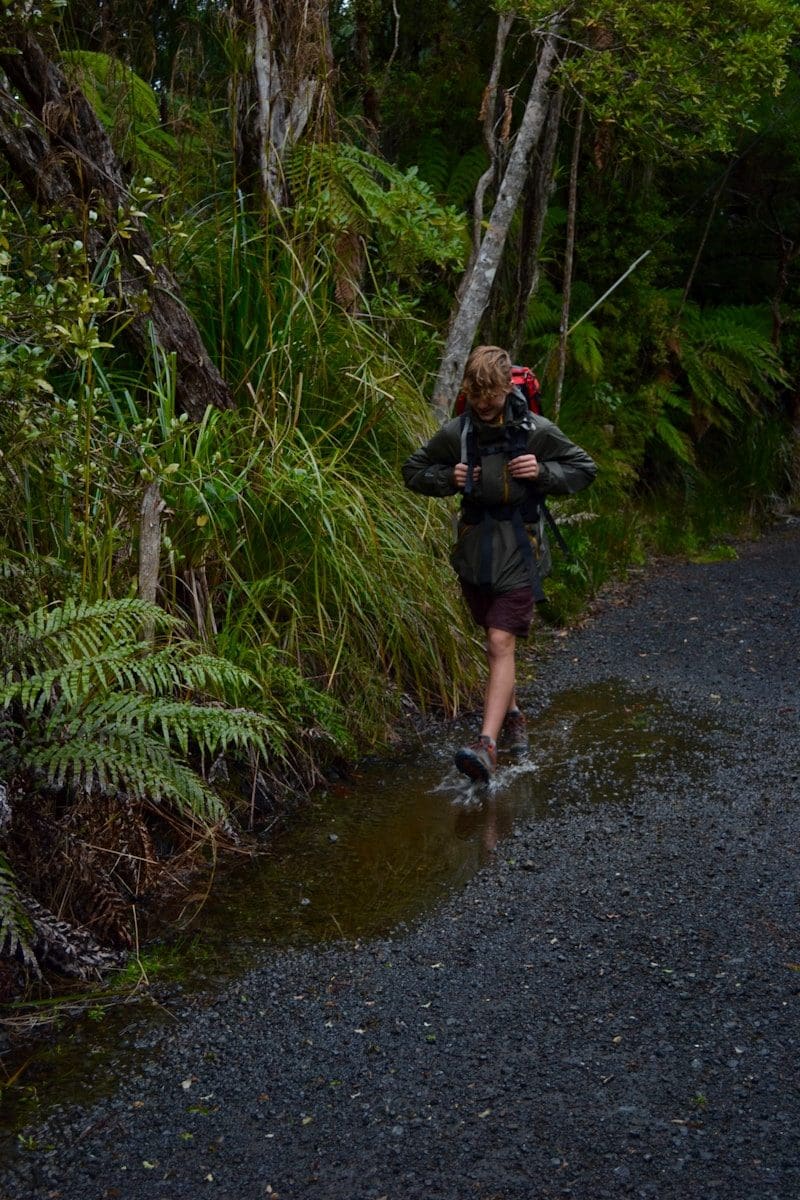
How to prevent blisters on wet runs can help you keep feet comfortable through rain, puddles and long miles, whether you are new to running or already have a drawer full of event T-shirts. This guide takes a practical UK approach, with advice that fits Sleaford and the surrounding Lincolnshire countryside.
How to prevent blisters on wet runs is not about proving a point on every outing. It is about making good choices often enough that running becomes part of ordinary life.
Wet weather does not automatically cause blisters, but moisture, friction and poor fit form a very capable committee. Once a hot spot begins, another six miles rarely improves its mood.
After more than a few miles, most runners learn the same lesson: simple habits beat dramatic gestures.
Why wet feet blister more easily
First, water softens skin and can increase friction inside shoes This matters because steady training should leave you able to manage the rest of your day, not merely admire the stairs from a safe distance.
There is also a quieter benefit. socks that bunch or hold moisture create repeated rubbing in the same place This matters because steady training should leave you able to manage the rest of your day, not merely admire the stairs from a safe distance.
Just as important, shoes that are too tight, too loose or poorly laced allow pressure and movement This matters because steady training should leave you able to manage the rest of your day, not merely admire the stairs from a safe distance.
For local runners, early treatment of a hot spot can prevent a small irritation becoming a painful blister This matters because steady training should leave you able to manage the rest of your day, not merely admire the stairs from a safe distance.
Keep friction under control
Wear well-fitting shoes
There should be enough toe room without the heel sliding excessively. Feet may swell during longer runs.
Try this: Test fit later in the day and on the type of sock you use. Adjust for weather, daylight and the surface underfoot. The plan serves you; you do not serve the plan.
Choose running socks
Synthetic or wool-blend socks usually manage moisture better than ordinary cotton.
Try this: Use a smooth pair that does not wrinkle inside the shoe. Keep the effort controlled. You should finish feeling that another few minutes would have been possible.
Use lacing to secure the foot
Different lacing patterns can reduce heel movement or pressure over sensitive areas.
Try this: Adjust gradually and avoid tying so tightly that the foot feels numb. Give the change time to work. Fitness improves through repetition, not through one unusually brave afternoon.
Protect known hot spots
Lubricant, tape or blister dressings may reduce rubbing when applied correctly.
Try this: Test the method before a race and follow product guidance. Make the action easy to repeat. A modest habit done each week is more useful than a perfect habit done once.
Act at the first warning
A warm, stinging or rubbing area is easier to manage before the skin lifts.
Try this: Stop, dry the area if possible and adjust sock, lace or protection. Notice how your body responds the next morning. That often tells us more than the watch did during the run.
Wet-run conditions around Sleaford
Puddled pavements may soak shoes from above even when the upper claims modest water resistance Mud, frost and standing water are not moral tests. Change the route when the surface makes the session needlessly risky.
Muddy field paths can pull at footwear and push grit through socks. Longer local routes such as the Viking Way make tested socks, fit and early hot-spot treatment especially useful. A loop close to home also makes it easier to stop or shorten the session without turning it into an expedition.
Long wet grass saturates shoes quickly and often keeps feet wet for the rest of the route. The Lincolnshire Wolds trail loops are a good reminder that terrain and distance both matter when choosing socks and footwear. On open ground, the wind can change the effort more than the map suggests. Pace should move; effort can stay steady.
Cold rain may hide discomfort until circulation and skin warm again indoors Shared paths need a little courtesy. Ease past walkers, give dogs room and use a clear greeting before overtaking.
A blister-prevention routine
- Before: Trim nails, check skin and choose tested socks Use easy effort unless the step clearly says otherwise.
- Shoes: Confirm fit, lacing and that insoles sit flat Leave room to swap days when work or weather intervenes.
- Protection: Apply tested tape or lubricant to known hot spots A rest day is part of the plan, not evidence that the plan has failed.
- During: Stop when rubbing begins rather than waiting for pain Finish with a few calm minutes rather than stopping in a heap.
- After: Remove wet socks, wash gently and dry feet Review the week by consistency, not by one fast split.
- Next run: Let damaged skin heal and correct the cause Write it down before the week becomes busy.
Blister mistakes
Using new shoes for a long wet run
One common error is testing fit only after the weather has removed every margin. A better choice: Break shoes in on short sessions first.
Wearing cotton socks
Another trap is holding moisture against the skin and allowing folds. A better choice: Use smooth technical running socks.
Ignoring a hot spot
It is also easy to fall into hoping friction will become bored and stop. A better choice: Pause early and adjust the source of rubbing.
Popping every blister
A less obvious problem is opening the skin and increasing infection risk without need. A better choice: Follow NHS guidance and protect intact skin.
Drying shoes on high heat
Finally, avoid damaging foam, glue or upper materials. A better choice: Remove insoles, use paper and air dry.
Wet-foot checklist
- Tested shoes
- Technical socks
- Secure lacing
- Protected hot spots
- Spare dry socks afterwards
- Small blister kit on long runs
- Clean feet after
- Medical advice for infection signs
You do not need every item for every run. The list is a prompt, not a packing exercise for the North Pole. Pick what matches the distance, route and conditions.
Blister questions
Should I wear waterproof running shoes?
They can delay water entering, but once wet they may drain slowly. Fit, grip and socks remain important.
Should I pop a blister?
NHS blister guidance generally recommends not bursting a blister yourself. Keep it clean, cover it and seek advice if it becomes infected.
What is a hot spot?
It is an area of warmth, rubbing or stinging that often appears before a blister. Treating it early is useful.
When should I see a clinician?
Seek help for infection signs, severe pain, repeated unexplained blisters or if diabetes or circulation problems increase risk.
For longer events, carry a small piece of tested tape or a blister dressing in a dry bag. It weighs almost nothing and can save the rest of the day when a seam, grit or soaked sock begins to rub. After a demanding outing, our guide to recovery after a long run can help with the rest of your post-run routine.
Keep the Hot Spots Quiet
Dry feet are pleasant but not always available in Britain. Good fit, tested socks and early action give us a more reliable plan. The aim is not to win every training day. It is to keep enough good days together that running becomes easier, safer and more enjoyable.
Start with the next sensible step. Let the weeks do their work. Before long, local runners can look back and see that ordinary runs have built something rather useful.
Wet-weather blister prevention starts with footwear and socks as much as skin care, and this guide to running in hiking shoes and trail footwear has useful advice on fit, moisture, hot spots and why the wrong shoe can turn a small rub into a long problem.