Scunthorpe is not a town that tries to win a popularity contest. It does not need to. It is practical. It is work-first. It is the sort of place that gets on with things while bigger places write strategy documents about getting on with things.
So, is it a nice place to live. For many of us, yes. Especially if we want space, fair house prices, and a normal day-to-day life that does not cost a small fortune. But it also comes with the usual real-town trade-offs. Some streets feel tired. Some stats are not flattering. And the shadow of heavy industry is both a strength and a worry, depending on the week.
What Is Scunthorpe Famous For. In other words, Scunthorpe is “nice” in the way a well-worn coat is nice. It fits. It works. It is not trying to impress anyone at a dinner party.
The feel of the town
Scunthorpe sits in North Lincolnshire, close to the Humber and the flat lands that make big skies feel even bigger. The town has a strong working identity, shaped by steel. That comes through in the tone.
People are direct. Places are functional. If something is good, people say so. If it is not, people also say so. There is a lot to like in that.
It is also a town where you can live without constantly “planning” your life. You can get parked. You can get to the shops. You can get a table. You can go for a walk and see more dogs than tourists.
Cost of living and housing that still feels possible
Housing is one of Scunthorpe’s big draws. If we are coming from many parts of the UK, the prices can feel like a time warp in the best way.
Recent sold-price snapshots put the town’s average sale price in the mid-£100k range, with terraces often much lower and detached homes higher. That spread matters, because it means Scunthorpe can work for first-time buyers and upsizers in the same postcode.
Affordability looks decent on the standard measure too. The local affordability ratio (median house price to median workplace earnings) sits well below the England figure. That is a quiet advantage, and it makes a real difference to stress levels.
Rent is also relatively restrained compared with many regions. North Lincolnshire’s average monthly private rent in early 2026 was reported in the £600s. That is still a serious bill, but it is not the same kind of “guess I’ll live in a cupboard” bill.
Instead of chasing the cheapest deal, most people do best by choosing the right street. Scunthorpe has plenty of solid housing stock, but it varies a lot by area and by how well streets have been looked after.
A quick housing reality check
- Older terraces can be great value, but check for upkeep, insulation, and parking pressure.
- Post-war estates often offer space and decent plots. Some feel greener than you’d expect.
- Newer builds tend to be more “easy living,” with better efficiency, but smaller gardens.
- Town-centre living buys convenience, and sometimes noise.
Work, wages, and the steel-sized backdrop
Scunthorpe’s economy is still shaped by steel. That is not a metaphor. The works are physically there, and they matter.
After more than a century of steelmaking in the area, the last few years have been turbulent. National headlines have swung between closure plans and government intervention to keep production going, with jobs and supply chains very much on the line. For residents, that creates an odd mix of pride and uncertainty. The plant is a symbol. It is also someone’s mortgage.
But Scunthorpe is not a one-employer town in day-to-day life. Many people work in logistics, manufacturing, construction, retail, health, education, and the wider Humber economy. The local data picture also suggests Scunthorpe has a solid employment rate and a job density that compares well with wider benchmarks.
File Clerk: The Quiet Job That Keeps a Business From Falling Apart. One practical modern bonus is connectivity. Reported gigabit-capable broadband coverage is high. That makes hybrid work more realistic here than people might assume. It will not fix every career problem, but it does widen options.
Getting around without making a fuss
Scunthorpe is the kind of place where driving is easy. It has strong road links, with the M180 connecting into the wider motorway network. The upshot is simple: getting to places like Doncaster, the Humber area, and beyond is not a daily battle.
Rail is useful too. Services connect into Doncaster for wider routes, and there are routes that make longer trips workable, even if they are not “pop to London after lunch” levels of simple.
For flights, Humberside Airport is close enough to feel like a local tool, not an expedition. That matters if we travel for work, or if we just prefer a smaller airport experience where the security queue does not become a lifestyle.
Schools and family life that feels grounded
Families often judge a place by schools first. Scunthorpe has a mix. There are schools with strong inspection outcomes, and there are schools that have had a tougher time. That is true in most towns, but it matters here because catchments can change the whole experience.
The good news is that there are “Good” outcomes across local primaries and secondaries, and specialist provision that has been rated highly as well. The more realistic news is that the spread means families often look street-by-street, not just town-by-town.
Outside school hours, the town works well for everyday family life. Parks are not a gimmick here. They are used. Libraries are part of local infrastructure. Leisure centres are normal, not “exclusive.”
It is not flashy. But most of us are not raising children for the applause.
Healthcare and practical services
Scunthorpe General Hospital is a key local asset, with a 24-hour emergency department and major services you expect from a district general hospital. On top of that, Scunthorpe has had investment in local diagnostics, aimed at getting tests and scans done closer to home.
This matters for quality of life. It does not make waiting lists vanish. How to Watch UK TV in the USA Without Losing Your Mind. Nothing does. But it helps when services exist locally, rather than always being “somewhere else.”
Things to do that are better than the jokes
Scunthorpe has a reputation problem. Some of it is old. Some of it is lazy. Some of it is the internet doing what the internet does.
But the town has real leisure options.
Green space that actually feels green
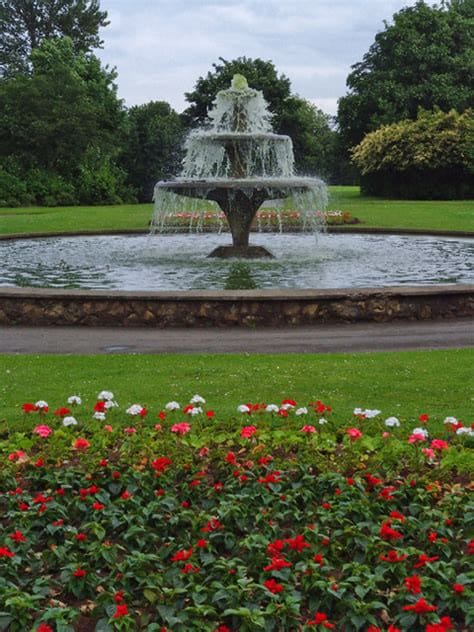
Central Park is not a token patch of grass. It is a large, well-used park with gardens, play areas, and space to breathe. It is one of those places that quietly improves a town without demanding credit.
A short trip out brings you to bigger open space too, including Normanby Hall Country Park, with its grounds, events, and the kind of family day-out energy that does not require a spreadsheet.
Culture that shows up, even in a work-first town
Scunthorpe has proper venues. The Baths Hall and the Plowright Theatre bring touring shows, comedy, and music into town. That matters more than people admit. A place with live events feels more alive.
The local museum is also a good sign. It is free to enter, and it gives the town a sense of story, not just function.
Sport adds to the mix as well. Scunthorpe United remains a strong local thread. Even if football is not our thing, it is a community anchor for a lot of people.
Safety and the bits people tiptoe around
A “nice place to live” has to include how safe we feel. Scunthorpe’s recorded crime rate has been reported as higher than England’s overall figure in recent data packs, and some specific categories sit higher too. That is the blunt part.
The useful part is more nuanced. Crime is not evenly spread. It clusters. It changes by time of day. It changes by street. Town centres in general attract more incidents because they attract more people, more shops, and more late-night movement.
So the best way to read the stats is as a prompt to choose carefully, not as a reason to panic. Most residents live ordinary, uneventful lives. But it is sensible to treat area choice as a key decision, not an afterthought.
Neighbourhood feel in plain terms
Scunthorpe is not one uniform place. It is a set of areas with different housing types and different day-to-day rhythms.
- More suburban edges tend to feel quieter, with more families and more routine.
- Closer-in streets can mean easier access to shops, work, and transport, but also more traffic and more noise.
- Near major employment sites you may notice shift patterns, HGV routes, and a more industrial backdrop.
Shift Leader: The “Manager” Job That Still Has You Taking Out the Trash. Instead of relying on town-wide labels, most people do better with a simple rule: choose the street, not the headline.
Community, identity, and that “Scunthorpe Problem”
Scunthorpe has a strong sense of local identity. It has also had to deal with the odd modern curse of being accidentally flagged by online filters. That has become a running joke. It is also a small sign of how the town gets treated: reduced to a meme, rather than seen as a place where real people live.
But most of all, Scunthorpe is a town with a steady community core. It is big enough to have choice, and small enough to feel familiar. Its population sits around the low-80,000s, and it has a mix of ages that keeps it from feeling either too “retirement town” or too “student town.”
It also has diversity, though it is not one of the UK’s most diverse towns. That can suit some people and frustrate others. Either way, it shapes the local feel.
Who Scunthorpe suits best
Scunthorpe tends to suit people who want everyday life to be easier.
It works well for:
- First-time buyers who want a realistic route into ownership
- Families who value space, parks, and practical services
- People who drive for work and want road links without big-city traffic
- Hybrid workers who want value and decent home setup potential
It can feel less ideal for:
- People who want big-city nightlife on the doorstep
- Highly specialised careers that cluster in larger cities
- Anyone who needs a glossy “wow” factor in daily surroundings
In other words, it is a town built for living, not performing.
Where real life fits
Scunthorpe is not perfect. That is not a scandal. It is normal.
What it offers is value, space, and a straightforward day-to-day rhythm. It has green pockets that help. It has services that matter. It has culture if we actually look for it. And it has a strong identity, shaped by hard work and a stubborn refusal to disappear.
If we want a place that tries to impress strangers, Scunthorpe will not help. If we want a place that can support a normal life without constant financial strain, it often can.