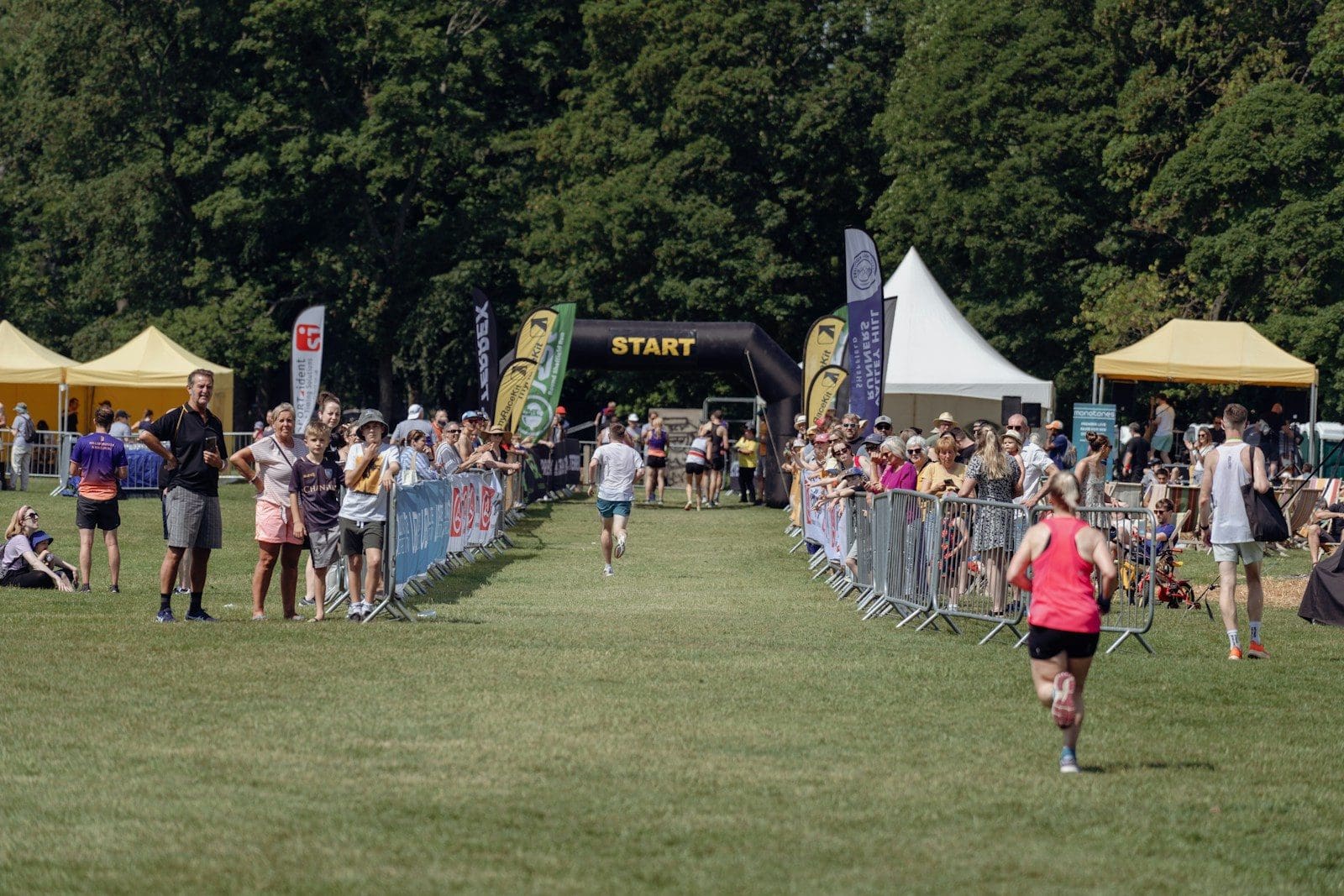
How to pace a 5k can help you run a stronger 5K from start to finish, whether you are new to running or already have a drawer full of event T-shirts. This guide takes a practical UK approach, with advice that fits Sleaford and the surrounding Lincolnshire countryside.
There is no need to make how to pace a 5K complicated. We need a clear aim, a few useful habits and enough patience to let fitness build. The rest is mostly noise, often sold in an expensive bottle.
A 5K is short enough to tempt us into immediate enthusiasm and long enough to make that enthusiasm expensive. Good pacing keeps the opening controlled so the final kilometre can be genuinely hard.
But most of all, we want progress that lasts. One heroic week followed by three tired ones is not a training plan.
Why even pacing works
First, a fast first kilometre raises breathing and fatigue before the race has settled.
There is also a quieter benefit. steady effort helps you use fitness across the full distance rather than borrowing from the finish.
Just as important, a clear plan reduces decisions when crowds, watches and adrenaline all offer different advice.
For local runners, learning 5K effort improves training sessions as well as race-day results.
Build a realistic 5K target
Use recent evidence
Base the target on a recent parkrun, race or controlled time trial rather than a hopeful number selected over breakfast.
Try this: Choose a pace close to current ability and allow for course and weather. Adjust for weather, daylight and the surface underfoot. The plan serves you; you do not serve the plan.
Know the course
Turns, grass, congestion and small climbs affect pace even over five kilometres.
Try this: Review the route and identify where effort may change. Keep the effort controlled. You should finish feeling that another few minutes would have been possible.
Warm up properly
Easy jogging and a few short strides prepare the body for an effort that starts quickly.
Try this: Finish the warm-up near the start with enough time to stay warm. Give the change time to work. Fitness improves through repetition, not through one unusually brave afternoon.
Run the first kilometre with restraint
The opening should feel controlled, not easy, while runners around you surge.
Try this: Settle near target pace and avoid weaving for tiny gains. Make the action easy to repeat. A modest habit done each week is more useful than a perfect habit done once.
Race the final kilometre
The last section is the right place to increase effort if form and breathing allow.
Try this: Build gradually, then use the final few hundred metres with purpose. Notice how your body responds the next morning. That often tells us more than the watch did during the run.
Pacing on local 5K courses
A flat route can encourage an overfast start because the pace feels cheap before fatigue arrives Mud, frost and standing water are not moral tests. Change the route when the surface makes the session needlessly risky.
Grass, mud or tight turns may make even splits unrealistic, so keep effort even instead A loop close to home also makes it easier to stop or shorten the session without turning it into an expedition.
Wind direction can create a slow kilometre and a fast one without any change in fitness On open ground, the wind can change the effort more than the map suggests. Pace should move; effort can stay steady.
Busy starts require patience because early weaving often costs more energy than it saves time Shared paths need a little courtesy. Ease past walkers, give dogs room and use a clear greeting before overtaking.
A kilometre-by-kilometre 5K plan
- Before the start: Complete an easy warm-up and decide the target effort.
- Kilometre 1: Run controlled and settle close to target pace.
- Kilometre 2: Relax shoulders and confirm that breathing is hard but organised.
- Kilometre 3: Hold rhythm through the mentally awkward middle.
- Kilometre 4: Increase focus and begin to catch runners gradually.
- Kilometre 5: Build effort, keep form and finish strongly.
5K pacing errors
Winning the first corner
One common error is sprinting away because everyone else appears to be doing so. A better choice: Let the first rush go and settle into your own plan.
Watching instant pace constantly
Another trap is reacting to noisy GPS readings every few seconds. A better choice: Use lap pace, course markers and effort.
Saving too much
It is also easy to fall into running comfortably until the finish is almost reached. A better choice: Make the middle firm and start building before the final bend.
Ignoring conditions
A less obvious problem is using the same target in heat, wind, mud or congestion. A better choice: Adjust pace while keeping race effort appropriate.
Skipping the warm-up
Finally, avoid starting a short hard race with a cold body. A better choice: Jog easily and include brief strides before the start.
5K race checklist
- Realistic target time
- Course and weather check
- Warm-up plan
- Lap pace display if useful
- Controlled first kilometre
- A cue for the middle kilometre
- A point to begin the finish
- Easy recovery afterwards
You do not need every item for every run. The list is a prompt, not a packing exercise for the North Pole. Pick what matches the distance, route and conditions.
5K pacing questions
For the next step beyond 5K, our 10K pacing guide builds on the same controlled-start idea. You can also compare local conditions with our guide to fast, flat Lincolnshire 5K and 10K routes and plan the morning with our race-day breakfast guide. For licensed event listings, see the England Athletics event finder.
Should every kilometre be the same pace?
On a flat calm course, close splits can work well. On hills, grass or wind, keep effort steadier and let pace vary.
How hard should a 5K feel?
It should feel controlled-hard early, hard in the middle and very hard near the finish. It should not feel like a sprint from the gun.
Can beginners use a run-walk plan?
Yes. Planned short walks can produce a better overall result than running too hard and taking unplanned long stops.
What if the first kilometre is too fast?
Ease back immediately and rebuild rhythm. Do not panic or attempt to compensate with another surge.
Save Something for Five
A well-paced 5K often feels almost cautious for a few minutes and very honest by the end. That is not a flaw. It is the plan working. The aim is not to win every training day. It is to keep enough good days together that running becomes easier, safer and more enjoyable.
Start with the next sensible step. Let the weeks do their work. Before long, local runners can look back and see that ordinary runs have built something rather useful.