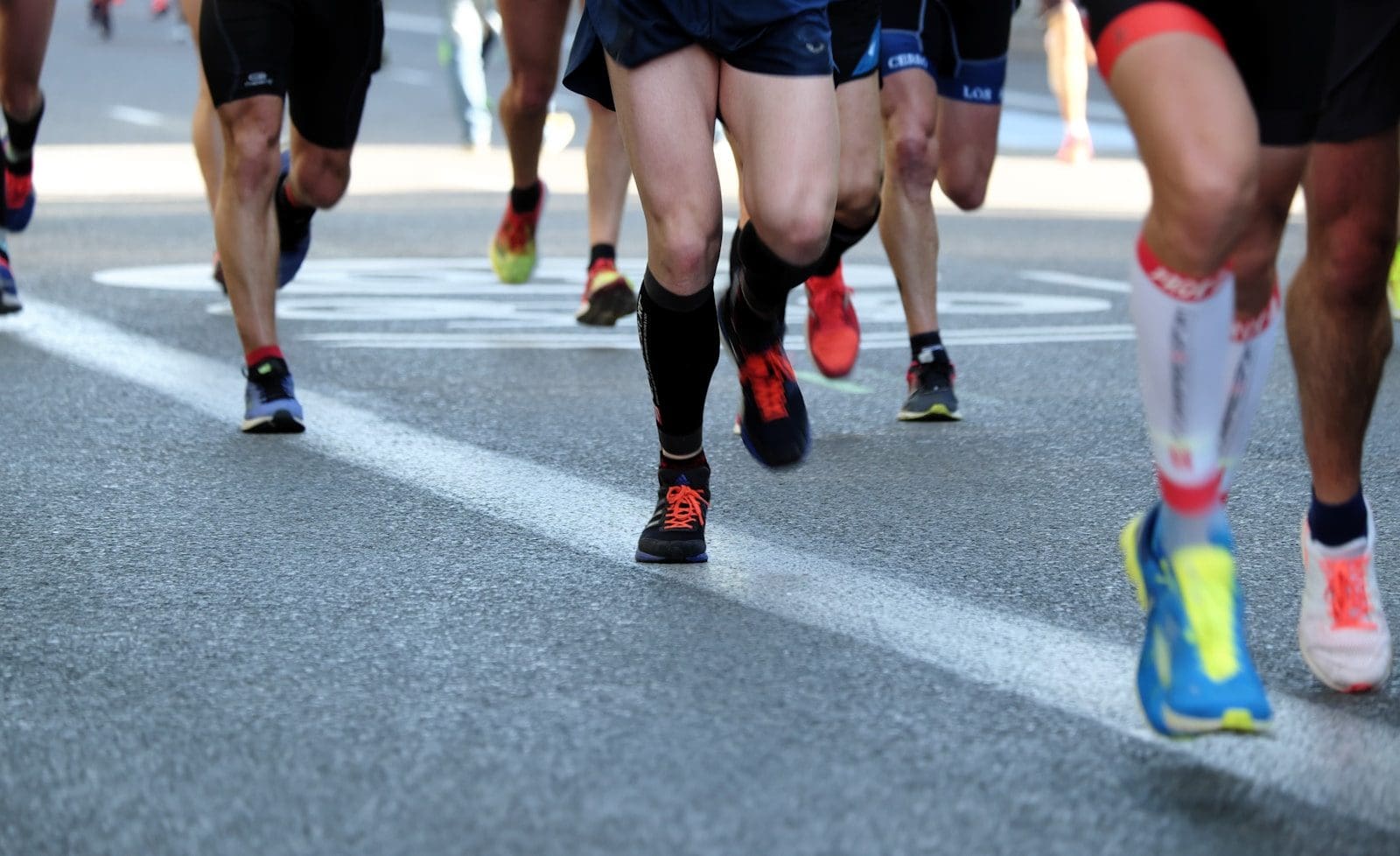
Joining a running club in sleaford can help you find support, safer routes and useful company, whether you are new to running or already have a drawer full of event T-shirts. This guide takes a practical UK approach, with advice that fits Sleaford and the surrounding Lincolnshire countryside.
There is no need to make joining a running club in Sleaford complicated. We need a clear aim, a few useful habits and enough patience to let fitness build. The rest is mostly noise, often sold in an expensive bottle.
The hardest part is often not the running. It is arriving for the first time while everybody else appears to know one another. Most clubs understand this rather well because every member once stood in the same place.
But most of all, we want progress that lasts. One heroic week followed by three tired ones is not a training plan.
Why club running helps
First, a regular meeting time turns a vague plan to run into an appointment that is harder to negotiate away.
There is also a quieter benefit. experienced leaders can match runners by pace and explain routes, regroup points and safety rules.
Just as important, company makes dark winter sessions and long steady miles feel less like a private administrative burden.
For local runners, club members can share local knowledge about surfaces, road crossings, races and places best avoided after heavy rain.
What to check before your first club run
Read the session description
Look for distance, pace, terrain and whether the group regroups. Words such as easy, social and all abilities are useful, but the actual details matter more.
Try this: Choose a session comfortably within your present ability rather than the most impressive item on the calendar. Give the change time to work. Fitness improves through repetition, not through one unusually brave afternoon.
Contact the club first
A short message can confirm the meeting point, start time and whether a trial run is welcome. It also gives the club a chance to suggest the right group.
Try this: State your recent distance and approximate pace honestly. Nobody benefits from creative accounting. Make the action easy to repeat. A modest habit done each week is more useful than a perfect habit done once.
Arrive early
Ten minutes gives time to find the group, introduce yourself and hear the route briefing without beginning in a flap.
Try this: Bring any required light or reflective clothing and be ready before the advertised start. Notice how your body responds the next morning. That often tells us more than the watch did during the run.
Tell the leader you are new
Leaders need to know who may not recognise the route or local hazards. This is practical, not embarrassing.
Try this: Mention injuries, a planned early finish or any concern that could affect the session. Adjust for weather, daylight and the surface underfoot. The plan serves you; you do not serve the plan.
Treat the first run as a trial
You are assessing the club as much as the club is meeting you. Pace, welcome, communication and safety should all feel right.
Try this: Try more than one group or session before deciding what fits. Keep the effort controlled. You should finish feeling that another few minutes would have been possible.
Making a first session work in Sleaford
Check the exact meeting point because a town centre, sports ground or nearby village start can change what clothing and transport you need On open ground, the wind can change the effort more than the map suggests. Pace should move; effort can stay steady.
Allow for level crossings, narrow pavements and road junctions when estimating how long the group may be out Shared paths need a little courtesy. Ease past walkers, give dogs room and use a clear greeting before overtaking.
In winter, assume that a session finishing after dusk needs a light and visible clothing even when the start is still bright Country lanes can be peaceful, but they are still roads. Visibility and awareness matter more than shaving a few seconds from a split.
For rural sessions, ask whether the route uses lanes, field paths or muddy rights of way so your footwear matches the surface Mud, frost and standing water are not moral tests. Change the route when the surface makes the session needlessly risky.
Your first-club-run plan
- Two days before: Check the forecast, session details and travel time.
- On the day: Eat a normal meal several hours before and avoid testing unusual food.
- Ten minutes early: Meet the leader and explain that this is your first session.
- During the run: Stay with the stated group and follow regroup instructions.
- At the finish: Cool down, thank the leader and ask about the next suitable session.
- The next morning: Judge the effort by soreness, energy and whether the pace was truly manageable.
Club-running errors to avoid
Hiding your pace
One common error is giving a faster estimate because you worry about being placed in a slower group. A better choice: Choose the group that lets you finish well and speak during the run.
Following the fastest start
Another trap is letting the front runners pull you beyond the planned effort in the opening minutes. A better choice: Settle near runners whose breathing and pace match yours.
Ignoring the briefing
It is also easy to fall into chatting through route notes and then discovering that everyone else heard the important turn. A better choice: Listen first, then resume the social campaign.
Wearing headphones
A less obvious problem is reducing awareness of instructions, traffic and other runners. A better choice: Leave both ears open during group sessions unless the club says otherwise.
Assuming one session defines the club
Finally, avoid judging the whole group after an unusually wet, busy or race-heavy evening. A better choice: Try a second suitable session before making a fair decision.
What to take to a club session
- Comfortable running kit
- Visible clothing for poor light
- A charged phone
- Any medication you normally carry
- Emergency contact details
- Suitable footwear for the route
- A small drink for afterwards
- A realistic description of your current pace
You do not need every item for every run. The list is a prompt, not a packing exercise for the North Pole. Pick what matches the distance, route and conditions.
Questions about joining a running club
If you want a feel for the local running scene before your first club night, our guides to the Sleaford Striders Summer 10K, the River Slea Sunrise 10K and running around Sleaford and the town itself provide useful local context. You can also use the official England Athletics Club Finder to check affiliated clubs and groups.
Do I need to be fast?
No. A well-run club should explain which sessions suit different paces. Ask about beginner or social groups before attending.
Can I try a session before joining?
Many clubs allow a trial, but arrangements differ. Contact the club and confirm rather than arriving on the strength of optimism.
What if I cannot keep up?
Tell the leader early. Good sessions use suitable groups, regroup points or a back marker so nobody is left alone.
Will I have to race?
Usually not. Some members race often, some rarely and some simply enjoy the weekly run.
Your Place in the Pack
The right club should make running feel more open, not more exclusive. A friendly welcome and a sensible pace matter far more than an elaborate kit collection. The aim is not to win every training day. It is to keep enough good days together that running becomes easier, safer and more enjoyable.
Start with the next sensible step. Let the weeks do their work. Before long, local runners can look back and see that ordinary runs have built something rather useful.