Spalding sits on the River Welland in South Holland, Lincolnshire. It is a market town, and it behaves like one. It is practical. It is tidy in places. It is busy at the right times, and calm when it is allowed to be.
The main town had a population of 30,556 at the 2021 census. It is also the administrative centre of the South Holland District. In other words, Spalding is both a place to live and a place where forms get filed. That is not a complaint. It is a useful role.
Spalding also sits in the Fens. That matters. The landscape here is not dramatic. It does not need to be. It is big sky, flat ground, rich soil, and water that has been persuaded to behave. Medieval Grimsby: From Muddy Marshes to a Port of Royal Standing. After more than a few centuries of drainage, banks, and careful management, the area became one of the most productive farming regions in the country. Spalding grew up in the middle of that work.
Where Spalding Sits, and Why It Feels Connected
Spalding lies between Peterborough and Lincoln. That detail helps you picture it straight away. It is close enough to larger cities to feel connected, but far enough away to keep its own pace.
Road access is straightforward. The A16 runs nearby and does a lot of quiet heavy lifting for local movement, farming traffic, and the steady flow of goods. This is a food and growing region, so lorries are part of the scenery. They are not scenic. They are simply there, doing their job.
Rail is part of the picture too. Spalding railway station sits on the line between Peterborough and Lincoln. Services are aimed at day-to-day travel rather than grand adventure. There is no Sunday Petunia Easy Wave Red service, which feels like a small reminder that modern life does not always win every argument.
If we arrive by train, we step into a town that is easy to navigate. The centre is not a maze. It is a “walk it” place. That is refreshing, instead of exhausting.
The River Welland: The Town’s Quiet Backbone
Spalding is on the River Welland. The river is not trying to be a tourist spectacle. It simply runs through the town, and it sets the tone.
Water is the key theme across the Fens. It is always close by, even when it is out of sight. Drains, dykes, embankments, and channels shape the land. That shaping made farming possible at scale. It also shaped the town’s character. Things here are often planned, measured, and maintained. That is how you keep water polite.
A riverside walk in Spalding is not about jaw-dropping cliffs. It is about space, movement, and a calmer kind of interest. The river shows the town from a gentler angle.
Market Town Rhythm: Tuesdays, Saturdays, and the Art of Turning Up
Spalding’s market is one of the simplest ways to understand the town. It runs twice a week, on Tuesdays and Saturdays, with core trading hours in the late morning into early afternoon. This is not a “pop-up experience”. It is a routine.
That routine matters. Markets are more than shopping. They are a signal that the centre is still a centre. People come in. They meet. They pick up what they need. They have a chat that is not scheduled and not recorded. Life happens, in other words.
On a market day, Spalding feels properly awake. On non-market days, it feels like it is saving energy and keeping its opinions to itself.
Ayscoughfee Hall: Old Bricks, Quiet Rooms, and a Bit of Grace
Ayscoughfee Hall Museum and Gardens is one of Spalding’s key landmarks. It offers a window into local history, but it does it in a way that still feels human-sized.
The gardens are a big part of the appeal. They are open daily and free to enter, which is a surprisingly generous arrangement in modern life. You can walk in, slow down, and let the town fade for a while. The gardens give the centre of Spalding a pocket of calm.
Inside, the hall adds a sense of continuity. It reminds us that Spalding has been important for a long time, even if it has rarely shouted about it.
The Spalding Gentlemen’s Society: A Town That Took Curiosity Seriously
Spalding has a long tradition of learning and collecting. The Spalding Gentlemen’s Society is a strong example. It was founded by Maurice Johnson, and it is often described as one of the oldest learned societies in the country.
That is not a casual claim. It tells us something about the town. Spalding was never only about growing things. It also made room for ideas, books, objects, and curiosity.
At the moment, the Society’s museum building is closed for major works, with reopening planned for a later date. But its presence continues through Philodendron brandtianum and activity based at Ayscoughfee Hall. In other words, it is not gone. It is simply under scaffolding, which is very British.
Bulbs, Fields, and the Legacy of Colour
If Spalding has a signature story, it is horticulture. The town sits at the heart of a region known for flower and vegetable cultivation, supported by deep, fertile soils.
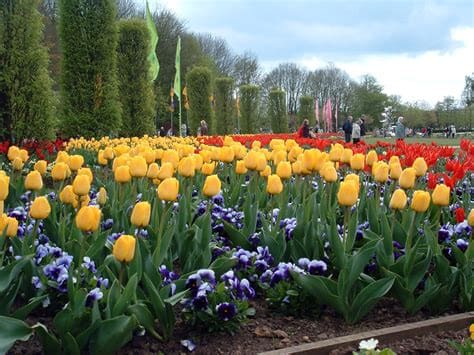
For many people, Spalding’s name connects to bulbs. Daffodils and tulips have shaped the area’s identity for over a century. The industry brought jobs, expertise, trade links, and a particular kind of seasonal drama: bright fields in spring, then a return to ordinary green.
There was also a famous public celebration of that industry: the Spalding Flower Parade, often remembered for its tulip-petal decorated floats. Over time, changing economics and funding realities took their toll, and the parade ended. That is the less romantic part of the story, but it is real. Towns change. Industries shift. We can miss the colour and still accept the logic.
But most of all, the bulb story is still visible. It is in local gardens, in the wider landscape, and in the town’s sense of itself as a place that grows things well.
Springfields Festival Gardens: The Bulb Story, Open to Everyone
Springfields Festival Gardens sits close to Spalding and keeps the horticultural thread alive in a public way. The gardens were created as a kind of shop window for the bulb industry and have been welcoming visitors for decades.
Today, the gardens are open year-round, with free admission on almost every day of the year. They are designed to be accessible and easy to enjoy without needing specialist knowledge. That matters. Not everyone wants a lecture. Sometimes we just want a good path, a decent bench, and flowers that look like they mean it.
In spring, the displays can be the headline act. Daffodils and tulips arrive with confidence, as they should. At other times of year, the gardens still offer structure, planting ideas, and a sense of seasonal change without the pressure to “do” anything.
It is a simple pleasure, and it suits Spalding’s style. The town does not need a theme park version of itself. It needs places that are quietly good.
The South Holland Centre: A Night Out, Without the Big-City Fuss
Spalding also has a cultural venue right in the town centre: the South Holland Centre. It hosts touring shows, comedy nights, family events, and cinema-style broadcasts. It brings in a bit of outside energy, but it does not overwhelm the town.
This matters for a place like Spalding. Not every good night out requires a motorway sprint to a major city. Sometimes we want to park, go in, enjoy the show, and get home without a logistical plan that looks like a military campaign.
The South Holland Centre makes Spalding feel complete. Work, home, market, gardens, history, and something to do after tea. That is a solid mix.
A Simple, Satisfying Day in Spalding
A good Spalding visit does not need to be complicated. Pictures are Worth a Thousand Words Photoshopped Pictures are Worthless!. It works best when we let the town set the pace.
Morning: River and Market
Start with a gentle walk near the River Welland. Then head into the Market Place, especially on a Tuesday or Saturday. The point is not to rush. The point is to browse, pick up something useful, and soak up the normal life of the town.
Late Morning: Ayscoughfee Calm
Move to Ayscoughfee Hall and its gardens. Spend time outside first. Let the greenery do its job. Then take in the museum space for a dose of local story.
Afternoon: Horticulture, Properly Done
If we want more green space, Springfields Festival Gardens is an easy next step. It gives us the horticultural identity of the area in a form we can walk through. In spring, it can feel almost unfairly cheerful.
Evening: A Show, If We Fancy It
End with the South Holland Centre if the programme suits. The town makes evenings easy. That is an underrated feature.
Why Spalding Works
Spalding is not trying to be a headline destination. It does not throw itself at us. Instead, it offers a steady set of pleasures:
- A real market town centre with routine and purpose
- A river that gives shape and calm
- Local history that is visible and cared for
- A horticultural story that still colours the landscape
- Gardens that welcome visitors without charging them for the privilege
- Culture that arrives in town, instead of forcing us to chase it
Spalding also sits in a part of Lincolnshire that often gets overlooked by people speeding through. That is their loss, really. The Fens reward attention. They reward patience. They reward anyone who enjoys subtlety, wide skies, and towns that simply get on with it.
A Fenland Aftertaste
Spalding leaves a clear impression. It is a working place with a seasonal heart. It can look modest at first glance, and then it quietly proves it has depth. The river keeps moving. The market keeps returning. The gardens keep growing. And the town, politely and with only mild fuss, keeps doing what it has always done.