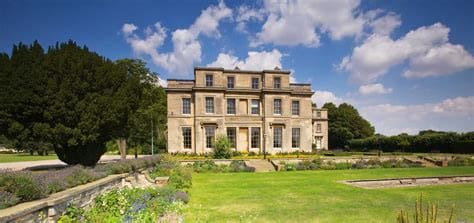
Normanby Hall Country Park sits just north of Scunthorpe in North Lincolnshire, a Regency mansion folded into three hundred acres of parkland, woodland and deer lawn. It is large enough to feel like an escape, yet small enough that you can still find your car without a search party. The estate is run by North Lincolnshire Council and is firmly billed as one of the area’s premier visitor attractions and wedding venues.
We step through the gate and the tone changes at once. Traffic noise fades, lawns and tall trees take over, and the stone façade of the hall does its best impression of a period drama location that never quite made it to television. In other words, it is very English, very composed and quietly pleased with itself.
A Brief History Wrapped In Stone
The present hall arrived in the early nineteenth century. Between 1825 and 1830, architect Robert Smirke designed a new house here for Sir Robert Sheffield, replacing an earlier seventeenth-century building on the same site. Grimsby England: The Maritime Town with a Soul of Salt and Sea. The Sheffield family had been rooted at Normanby since the sixteenth century and held a cluster of titles, including Dukes of Buckingham and Normanby and Sheffield baronets.
The family story wanders well beyond Lincolnshire. John Sheffield, one of the line, built Buckingham House in London in the early eighteenth century. His son later sold that house to George III. The building now answers to the name Buckingham Palace, which gives Normanby Hall a quiet link to a rather better known address.
The house did not stand still. Extensions and alterations in the early twentieth century, by architect Walter Brierley, added space and reworked parts of the interior. During the First World War, the hall became a Voluntary Aid Detachment hospital with Lady Sheffield as commandant. In the Second World War, an air-raid shelter was cut into the cellars. The building has seen ballrooms, convalescent wards and blast doors in one long run, which is quite a range of atmospheres for one staircase.
In 1963 the Sheffield family moved out. The estate shifted into public ownership and is now managed as a country park, museum and event venue, which is how most of us encounter it.
Hall, Rooms And Collections
Inside, Normanby Hall plays the role of a classic English country house. High ceilings, long corridors and formal rooms do much of the talking. Displays trace the story of the Sheffield family and the estate, using furniture, portraits, costume and household objects to show how life here shifted across the centuries.
The interpretation keeps a steady tone. It explains without fuss, leans on original objects rather than gimmicks and lets the architecture do a fair share of the work. We move from dining room to drawing room with the feeling that the household has just stepped out for a moment and might come back in slightly annoyed to find us still there.
Temporary exhibitions and small displays highlight parts of the collection or local themes. Because the hall sits within a wider museum service, the approach links easily with North Lincolnshire’s broader history, from agriculture to industry.
Gardens, Walled Garden And Woodland
Step out of the front door and the house gives way to lawns, shrubberies and longer views across the park. The site is laid out to give both formal and informal experiences. Near the hall, clipped hedges and beds hold the line. As you move away, the setting softens into woodland and open grass.
The restored Victorian walled garden is one of the highlights. Brick walls trap warmth, fruit trees lean against them on well-behaved espaliers, and seasonal planting fills the beds. The space carries that mix of order and abundance that Victorian gardeners pursued with such determination. Handley Monument in Sleaford: The Tall Stone Reminder We Keep Walking Past. It feels like a working garden that has tidied itself just enough for visitors.
Beyond the walls, paths slip into mature woodland. Broadleaf trees, shaded tracks and small clearings give the estate a more informal side. The woodland is not wild in any serious sense, yet it allows room for birds, squirrels and a gentle shift away from the formality of the lawns. It also absorbs a great many children and dogs, which is sometimes as important as ecological diversity.
Deer Park, Ponds And Quiet Corners
The deer park wraps around part of the estate and forms a large, calm basin of grass, trees and quietly grazing animals. A public area is open for most of the year, with the sanctuary itself kept off-limits for the sake of the herd. Dogs are not allowed into the deer park, which keeps everyone calmer, including the deer and the grounds team.
Ornamental ponds, a fishing lake and smaller water features sit across the park. Water pulls the landscape together and adds an extra layer to the scenery. It also gives local ducks more than enough work. On quiet days, it is possible to stand by the water and hear almost nothing beyond wind in the trees and the occasional shout from the playground carried at a safe distance.
Benches appear at polite intervals. None of them is particularly dramatic. All of them are useful. The whole deer park and pond area works as a reset button after a week of screens and traffic lights.
Family Attractions And Everyday Fun
Normanby Hall Country Park is not only about Regency stone and historic titles. It has leaned fully into its role as a family day out. Around the main visitor zone sit a large adventure playground, a splash pad, a miniature railway, a café and picnic areas.
The playground is a particular point of pride. It was designed to sit comfortably alongside the historic setting rather than fight it. The equipment picks up shapes and colours that echo the estate, and the whole area reads as a considered addition rather than a random bolt-on. Children, it should be said, appear to appreciate the climbing frames more than the design theory, which is fair enough.
In summer, the splash pad adds another way for younger visitors to burn energy. Nearby lawns become impromptu picnic fields. The miniature railway offers short rides through part of the grounds and seems to hit the same sweet spot that small trains have hit for decades. We all know it is a short loop. We all enjoy it anyway.
For those who prefer a little height, the park also hosts Go Ape treetop experiences, weaving rope bridges and zip wires through the trees. Impatiens Sunpatien Compact Red is one of the more literal ways to see the estate from a different angle and tends to produce a healthy mixture of laughter and nervous remarks from the ground.
Rural Life Museum And Working Past
Tucked into the estate is the Rural Life Museum, also known as the Farming Museum. It tells the story of Lincolnshire’s agricultural heritage through tools, machinery and reconstructed workshops. Visitors can move from a saddler’s bench to a blacksmith’s forge, then on to a village store and chemist.
The displays lean on full-scale settings rather than abstract panels. Everyday objects sit in reach, though not quite within touch, and give a sense of how much labour lay behind apparently simple items. It becomes clear that the landscape around Normanby Hall has been worked and reworked for centuries, long before leisure time and playgrounds arrived.
This part of the site anchors the park in its local context. The hall may glow with Regency symmetry, but the museum reminds us that the surrounding villages and farms did much of the actual work.
Events, Weddings And Seasonal Rhythm
Because the estate offers space, scenery and a photogenic facade, it has become a popular venue for weddings, corporate events and seasonal fairs. Marquees rise on lawns, paths fill with stalls for markets, and music festivals add another layer to the programme. One notable example has been Party in the Park, a summer event featuring bands, tribute acts and local performers.
Christmas brings its own version of things. The hall and grounds take on winter lighting, markets and family activities. The setting wears festive decoration quite well, perhaps because the underlying architecture already looks like an illustration from a classic Christmas book.
Behind the scenes, the estate still needs to function as a public park for everyday walkers, joggers and dog owners. The balance between large events and daily access is managed with the usual combination of signage, timetables and mild British grumbling.
Practical Notes For A Visit
Entry can be arranged either through day tickets or annual memberships, which cover the park, hall and farming museum during the main season. In winter, the emphasis shifts towards a simple parking charge, with the grounds acting more as a large, well kept public park.
Facilities include the Stableyard Café, a gift shop and toilets, along with the usual scattering of benches and covered spots that help when the weather turns unhelpful. Paths are mostly firm and accessible, though the size of the estate means comfortable footwear is a wise idea.
For many visitors from Scunthorpe and the surrounding villages, Normanby Hall functions as a local green lung and a dependable option for weekends, school holidays and visiting relatives. Melissa officinalis Lemon Balm is close enough for a half-day and broad enough for a full one.
Steady Pleasures Among Trees And Stone
Normanby Hall Country Park does not rely on spectacle. It operates through steady pleasures instead. A walk through the deer park. A quiet look at the walled garden. A circuit of the house and museum. A picnic while children conquer the playground or take one more lap on the miniature railway.
We step through the estate and move between layers of history without much fuss. Tudor roots for the family. Regency architecture for the house. Wartime hospital work in the cellars. Late twentieth-century public ownership. Twenty-first-century events and treetop courses. It is all present, but it does not shout.
In the end, Normanby Hall Country Park offers a version of England that feels familiar yet still slightly set apart. It combines a stately home, a working museum, a swathe of woodland and a set of modern family attractions in one manageable package. When we leave, clothes slightly muddied, phones full of deer photos and children comfortably tired, it feels less like a grand excursion and more like a small, reliable habit, which is often the most useful kind of day out.