Ayscoughfee Hall Museum and Gardens sits right in the middle of Spalding, yet it feels like a small escape hatch from the modern world. One moment we are near shops and roads. The next, we are under old trees, beside clipped hedges, and facing a medieval hall that looks politely unimpressed by the last few centuries.
It is a rare kind of place. It is both a historic house and a working local museum. It is also a public garden that locals use in the most British way possible: quietly, regularly, and with minimal fuss. The setting covers about five and a half acres of gardens.
This is not the sort of attraction that needs fireworks to feel important. Lincolnshire Red Ale House: A Toast to Local Craft and Honest Cheer. It has history, space, and a steady sense of place. It does the job.
The Hall: A Medieval Survivor in Plain Sight
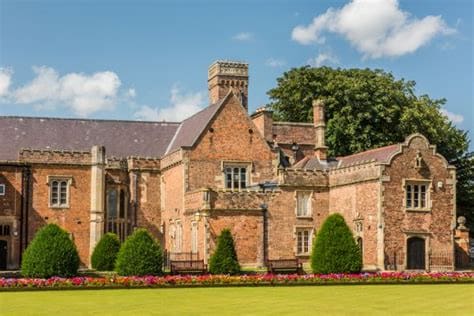
Ayscoughfee Hall dates from the mid-15th century and is a Grade I listed building. That matters. Grade I is the top tier, given to a very small percentage of listed buildings in England.
The hall was built as a family house in the 1400s. That alone is striking. Even better, it has survived in a form that still reads as a real home from that era, rather than a ruin with a gift shop attached.
The building has had changes over time, as all long-lived buildings do. Historic England’s research record notes that it developed from a substantial mid-15th-century open hall, with later alterations in the 17th and 18th centuries.
So we get the best of both worlds. We get medieval bones. We also get layers of later living, which is how real heritage usually works.
How a Private House Became a Public Place
At some point, a historic house either stays private and quiet, or it becomes public and useful. Ayscoughfee Hall is firmly in the second category.
Today it works as a museum and community space. It is also tied to local heritage groups and collections, including the Spalding Gentlemen’s Society collection housed at Ayscoughfee Hall.
That connection is important. Peperomia obtusifolia Variegata means the hall is not just a pretty building. It is part of a local tradition of learning, collecting, and taking Spalding seriously.
The Gardens: Five and a Half Acres of Quiet Drama
The gardens are one of the main reasons people come back. The space has enough structure to feel designed, and enough softness to feel restful.
They are described as five and a half acres of landscaped gardens around the museum. The features are the sort we secretly love in historic gardens: practical, slightly mysterious, and quietly impressive.
The ice house
The gardens include an 18th-century ice house. It is a reminder that “keeping things cool” used to involve engineering, planning, and a lot of patience. Modern fridges are convenient, but they have no romance.
The ornamental lake and long views
There is an ornamental lake that gives the gardens a sense of depth and calm. Water changes a place. It slows us down. It also makes everything look a bit more deliberate.
The Spalding War Memorial by Lutyens
At the end of the lake sits the Spalding War Memorial, designed by Sir Edwin Landseer Lutyens. That is a serious name in British architecture, and it gives the gardens a quiet focal point that feels both local and national at once.
The Museum: Local Stories Without the Noise
Inside, the museum focuses on the people and history of Spalding and the surrounding area. It is not trying to compete with London. It is doing something better: keeping local memory intact.
Collections linked to Ayscoughfee Hall Museum and Gardens include social history, costume and textiles, archive material, and art works such as paintings of local interest.
That mix is ideal for a town museum. It keeps the story human. It gives us objects that were used, worn, saved, and passed on. It also reminds us that “history” is not only kings and battles. Pepper Orange Bell is everyday life, recorded one item at a time.
The Feel of the Place: Spalding Being Itself
Some historic sites feel staged. Some feel like they are holding their breath, waiting for tourists to behave. Ayscoughfee tends to feel more natural.
It sits in a real town. People use the gardens like a shared back garden. Visitors wander through without needing a big plan. The hall stands there and carries on, like it always has.
It also works beautifully as a companion stop if we are exploring Spalding’s wider heritage. The town’s flower and bulb-growing identity is a big part of the area’s story. Ayscoughfee adds the older layer: the house, the gardens, and the steady civic pride that holds traditions together.
Planning a Visit Without the Stress
Ayscoughfee is friendly to casual visits. It is not an all-day endurance event. It is a place we can enjoy in small, satisfying pieces.
Gardens opening and access
The gardens are open from 8am until 30 minutes before dusk, and entry to the gardens is free. Entry is via Chestnut Avenue, next to the Vista car park. The council also notes the gardens are open every day of the year except Christmas Day.
That is a generous setup. It makes the gardens part of town life, not a once-a-year treat.
Food and a pause
There is a café on site, which helps in the way cafés always help. A warm drink turns a pleasant visit into a proper one. It also provides a socially acceptable reason to sit down and stare at trees for a while.
Weddings and small ceremonies
Ayscoughfee is also used as a venue for small weddings and civil ceremonies. This makes sense. Historic houses do well with life events. They make even a simple gathering feel grounded.
Ayscoughfee as a Local Habit
Some places are best enjoyed once. Ayscoughfee is better as a repeat visit.
We can use it in different ways:
- a slow walk through the gardens on a bright morning
- a short museum visit that turns into a longer one
- a quiet bench by the lake
- a quick stop that becomes a calm reset
It fits around real life Petunia Double Vogue Pink, which is an underrated skill.
A Spalding Essential That Stays Modest
Ayscoughfee Hall Museum and Gardens is not flashy. It does not need to be. It gives Spalding a historic centre of gravity: medieval building, local museum, and gardens that offer space and breath.
We get beauty. We get history. We get calm. We also get the gentle reminder that the best places often sit right in front of us, quietly doing their work.
Where the Town Exhales
Ayscoughfee is the sort of place that makes us walk a little slower without making a big speech about it. The hall keeps its medieval dignity. The gardens keep their shape and shade. The museum keeps local stories safe.
Spalding has plenty going on. Ayscoughfee is where the town goes to soften the edges.