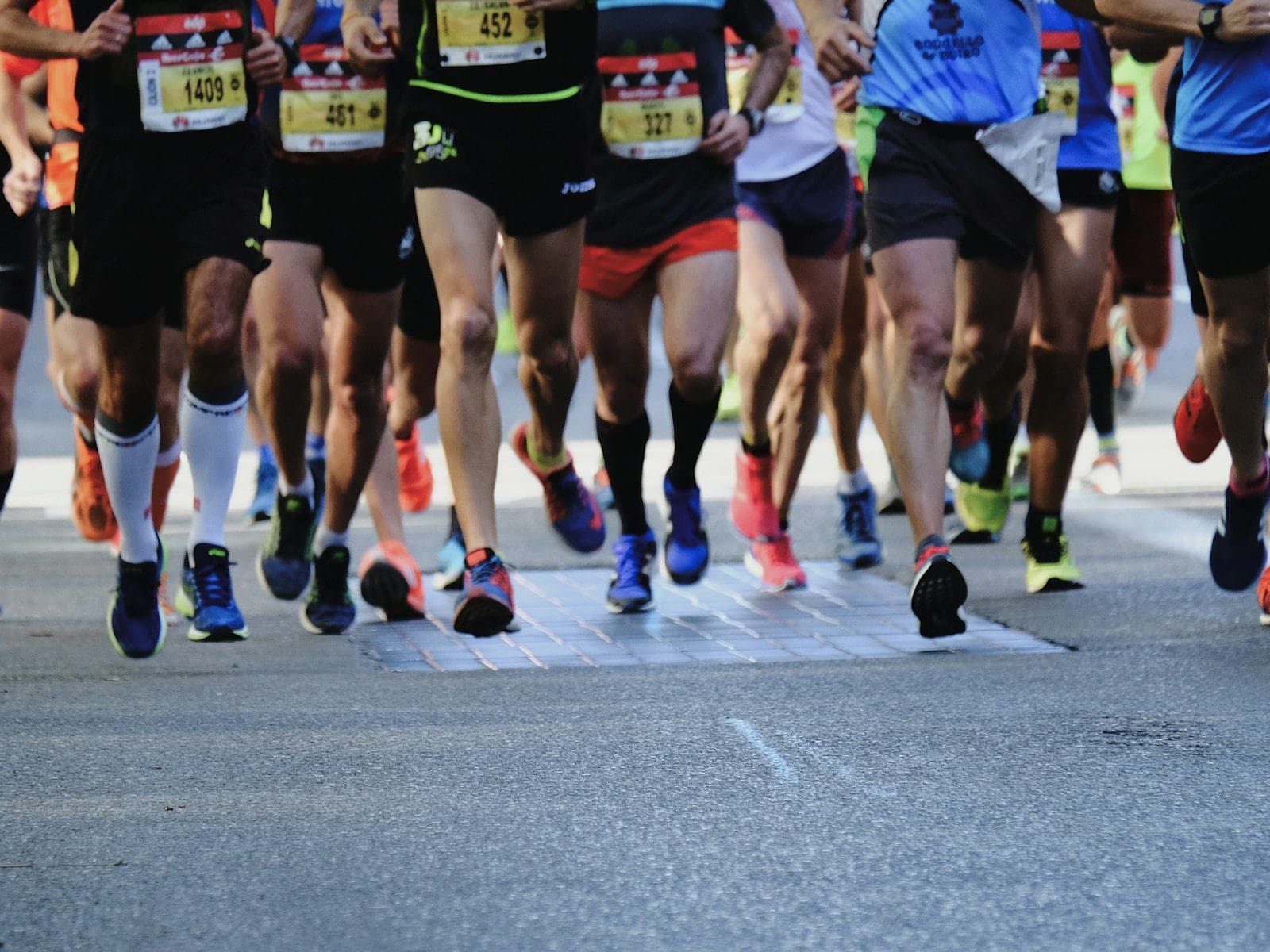
Race day breakfast for runners can help you reach the start line fuelled without an upset stomach, whether you are new to running or already have a drawer full of event T-shirts. This guide takes a practical UK approach, with advice that fits Sleaford and the surrounding Lincolnshire countryside.
Race day breakfast for runners is not about proving a point on every outing. It is about making good choices often enough that running becomes part of ordinary life.
Race morning is not the moment to discover a revolutionary breakfast. The meal should be familiar, easy to digest and tested in training. Excitement will provide enough novelty on its own. For general UK food guidance, NHS healthy eating guidance is a useful baseline.
After more than a few miles, most runners learn the same lesson: simple habits beat dramatic gestures.
Why breakfast should be familiar
First, carbohydrate before longer or harder running helps top up available energy This matters because steady training should leave you able to manage the rest of your day, not merely admire the stairs from a safe distance.
There is also a quieter benefit. familiar food lowers the chance of stomach trouble caused by unusual fibre, fat or portion size This matters because steady training should leave you able to manage the rest of your day, not merely admire the stairs from a safe distance.
Just as important, meal timing gives digestion a chance to settle before the start This matters because steady training should leave you able to manage the rest of your day, not merely admire the stairs from a safe distance.
For local runners, a written routine reduces last-minute decisions when travel, toilets and number pins already need attention This matters because steady training should leave you able to manage the rest of your day, not merely admire the stairs from a safe distance.
Build a reliable race breakfast
Practise on training days
Use long runs or race-pace sessions to test the same food, amount and timing.
Try this: Repeat the routine several times before the event. Keep the effort controlled. You should finish feeling that another few minutes would have been possible.
Keep the meal simple
Toast, porridge, cereal, banana or a familiar combination can work well for many runners.
Try this: Choose foods you already tolerate rather than copying somebody else’s menu. Give the change time to work. Fitness improves through repetition, not through one unusually brave afternoon.
Allow digestion time
Many runners eat two to four hours before the start, though individual comfort varies.
Try this: Work backwards from the race time and include travel. Make the action easy to repeat. A modest habit done each week is more useful than a perfect habit done once.
Adjust for race distance
A short 5K may need only a light familiar meal, while a half marathon often benefits from a fuller carbohydrate breakfast. For a local 10K example, see the Sleaford Striders Summer 10K.
Try this: Match the amount to duration, appetite and tested routine. Notice how your body responds the next morning. That often tells us more than the watch did during the run.
Sip rather than flood
Normal hydration matters, but excessive drinking can cause discomfort and repeated toilet visits. Our guide to hydration for runners in UK weather helps with race-morning fluids.
Try this: Drink with breakfast and use thirst plus weather as guides. Adjust for weather, daylight and the surface underfoot. The plan serves you; you do not serve the plan.
Breakfast and UK race logistics
Early starts may require waking before normal appetite appears, so a smaller meal plus a later tested snack can help A loop close to home also makes it easier to stop or shorten the session without turning it into an expedition.
Travel from Sleaford to an event adds time and makes portable food useful On open ground, the wind can change the effort more than the map suggests. Pace should move; effort can stay steady.
Cold mornings can reduce thirst while warm races may increase fluid needs before the start Shared paths need a little courtesy. Ease past walkers, give dogs room and use a clear greeting before overtaking.
Queues, parking and bag drops mean the final eating time should not depend on reaching the venue early enough Country lanes can be peaceful, but they are still roads. Visibility and awareness matter more than shaving a few seconds from a split.
A simple race-morning timetable
- Three hours before: Eat the main familiar breakfast and begin normal sipping A rest day is part of the plan, not evidence that the plan has failed.
- Two hours before: Travel and avoid grazing on untested foods Finish with a few calm minutes rather than stopping in a heap.
- One hour before: Use a small tested snack only if your plan includes it Review the week by consistency, not by one fast split.
- Thirty minutes before: Finish toilet and warm-up arrangements Write it down before the week becomes busy.
- At the start: Feel comfortable rather than full Use easy effort unless the step clearly says otherwise.
- After the race: Eat and drink as part of post-run recovery. Leave room to swap days when work or weather intervenes.
Race-breakfast mistakes
Trying a new product
One common error is using race morning as a tasting session for a fashionable bar or gel. A better choice: Use only foods and products tested during training.
Eating too much
Another trap is adding extra portions because the event feels important. A better choice: Use the amount that worked before a similar training run.
Eating too late
It is also easy to fall into finishing a heavy meal shortly before hard running. A better choice: Allow enough digestion time or choose a smaller tested option.
Skipping breakfast from nerves
A less obvious problem is starting a longer race underfuelled because appetite is low. A better choice: Practise early eating and use simple low-volume foods.
Overdrinking
Finally, avoid forcing litres of fluid in the final hour. A better choice: Drink normally and avoid chasing perfectly clear urine.
Race breakfast checklist
- Tested food
- Tested portion
- Planned eating time
- Portable backup snack
- Normal fluid plan
- Travel time included
- No new supplements
- Post-race food arranged
You do not need every item for every run. The list is a prompt, not a packing exercise for the North Pole. Pick what matches the distance, route and conditions.
Race breakfast questions
What should I eat before a 5K?
A normal light breakfast may be enough, depending on start time and your routine. Do not add a large meal purely because it is race day.
What is a good half marathon breakfast?
Many runners use porridge, toast, cereal or banana with other familiar low-fibre foods. Test the exact combination during long runs.
Should I avoid fibre?
Some runners reduce high-fibre foods before racing to limit stomach issues. Individual tolerance differs, so practise.
Can I drink coffee?
Yes, if it is part of your normal routine and does not cause stomach or toilet problems. Race day is not the time to double the dose.
A Boring Breakfast Wins
A successful race breakfast is almost boring. That is ideal. Save experimentation for a morning when there is no timing mat waiting. The aim is not to win every training day. It is to keep enough good days together that running becomes easier, safer and more enjoyable.
Start with the next sensible step. Let the weeks do their work. Before long, local runners can look back and see that ordinary runs have built something rather useful.
Race-morning food is only one part of the bigger performance picture, and this simple guide to fuel, fluids and training signals is useful background for matching what you eat and drink to how your body actually responds before competition.